Samburu sits apart from Kenya's central and southern safari circuit both geographically and ecologically — a semi-arid landscape along the Ewaso Nyiro River home to a distinct cast of wildlife found nowhere else in the country.
Overview
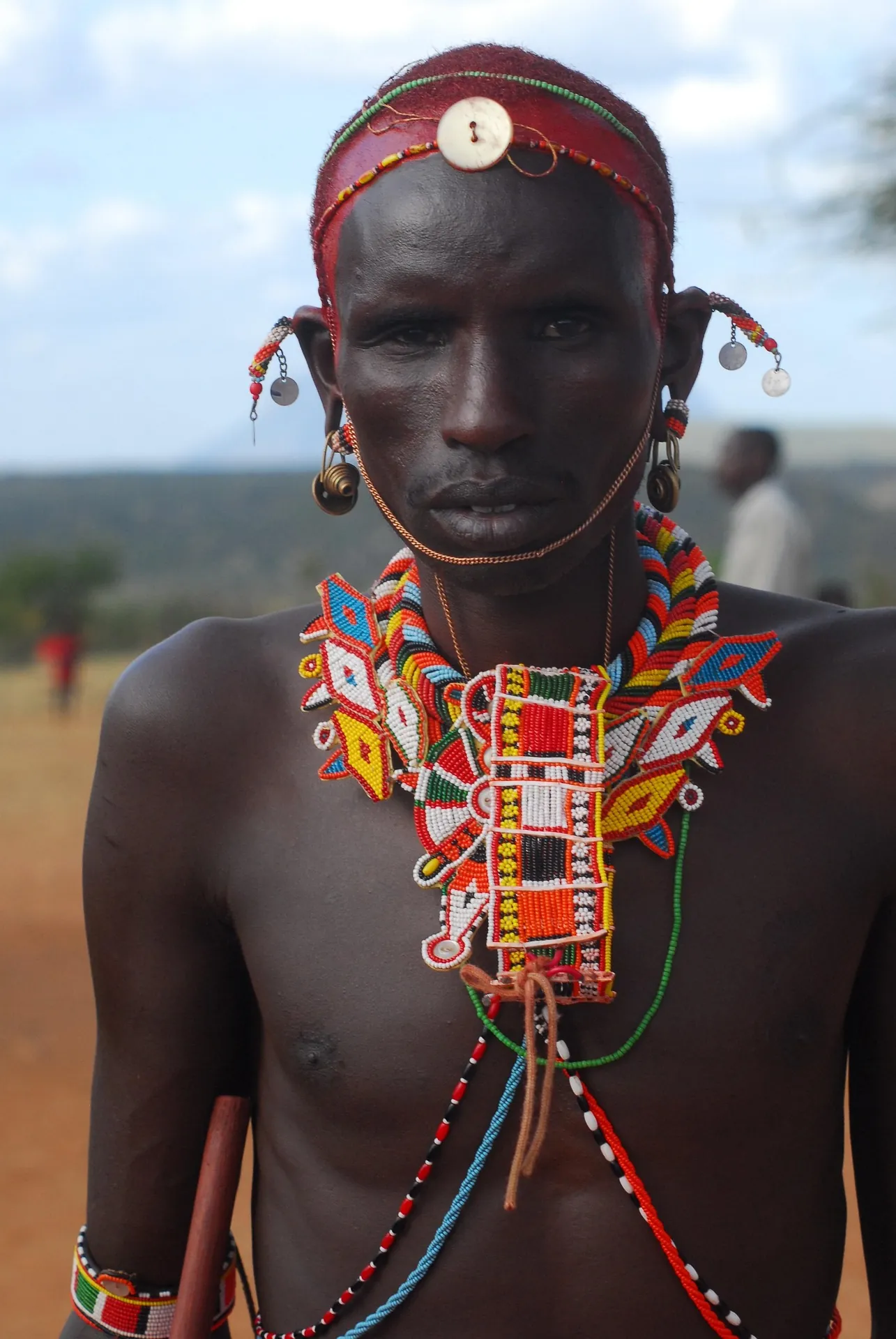
Samburu National Reserve, together with Buffalo Springs and Shaba, forms a dry-country ecosystem centered on the Ewaso Nyiro, one of the few permanent water sources in the region. The Samburu people, semi-nomadic pastoralists related to the Maasai, maintain a strong cultural presence.
Wildlife You'll See
Samburu is known for the “Samburu Special Five” — Grevy's zebra, reticulated giraffe, Somali ostrich, gerenuk, and Beisa oryx — none commonly seen in Kenya's southern parks. Elephant, lion, and leopard are also present.
Best Time to Visit
Luxury Accommodation
Camps here are typically positioned directly along the river. See the full profile for Sasaab.
Signature Experiences
Cultural visits to Samburu villages, guided walks with local trackers, and river-based game viewing are all distinctive to this region, which sees a fraction of the Mara's visitor traffic.
Combine With
Samburu combines well with Laikipia given their proximity, or with Mount Kenya as part of a highlands-and-north circuit.
Frequently Asked Questions
What makes Samburu different from other Kenya safari destinations?
Its dry, river-fed ecosystem supports a distinct set of wildlife not commonly found in Kenya's southern parks, with significantly fewer visitors.
Is Samburu good for a second Kenya safari?
Yes — often recommended for travelers who've done a classic Big Five safari and want a different landscape and a quieter experience.
How many days should I spend in Samburu?
Two to three nights is generally sufficient.