
Africa's second-highest peak and a UNESCO World Heritage Site, Mount Kenya offers a highland counterpoint to the classic lowland safari — cooler air, forest and afro-alpine landscapes, and a slower pace.
Overview
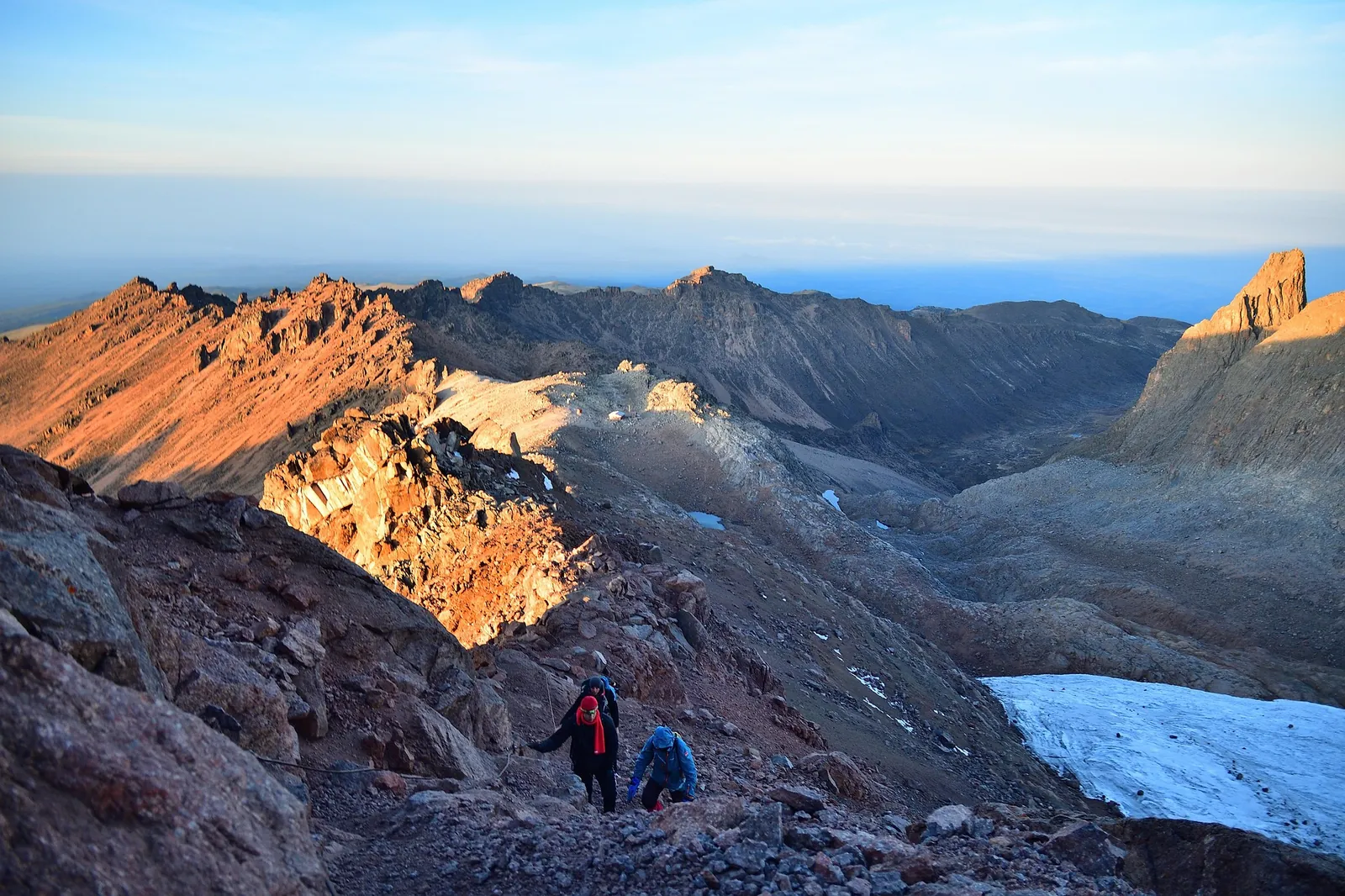
Mount Kenya's slopes rise through montane forest, bamboo, moorland, and afro-alpine terrain, supporting a noticeably different ecosystem from the savannah further south. Trekking routes include Sirimon, Chogoria, and Naro Moru.
Wildlife You'll See
Lower forest zones support elephant, buffalo, and forest-adapted species including the rare bongo antelope, along with strong birdlife. Wildlife density is lower than in Kenya's classic parks; the appeal here is landscape and climate.
Best Time to Visit
Luxury Accommodation
See the full profile for the Fairmont Mount Kenya Safari Club near Nanyuki.
Signature Experiences
Guided forest walks, trout fishing, and multi-day trekking routes toward the peak are the primary activities, distinct from lowland game drives.
Combine With
Mount Kenya combines naturally with Laikipia given their geographic proximity.
Frequently Asked Questions
Do I need to be an experienced climber to visit Mount Kenya?
No — most itineraries include a highland lodge stay with guided forest walks rather than a full summit trek.
Is Mount Kenya a wildlife safari destination?
Wildlife density is lower here; the primary appeal is landscape, climate, and trekking rather than Big Five viewing.
How many days should I spend at Mount Kenya?
One to two nights for a highland retreat stay; 4+ days for a full trekking itinerary.